
How to Become a More Sustainable Boater in 2026
I’ve spent my life on or near the water, and a career in the marine leisure industry has given me an intimate view of how boating is changing. The conversation these days isn’t just about performance or adventure, it’s about responsibility. In 2026, sustainability is a mark of good seamanship, and it begins with the choices we make every day.
It doesn’t have to be perfect it just has to be progress
Look for inspiration
When it comes to electric propulsion there are many inspiring boaters taking the leap to swap diesel fumes and engine chugging with quiet effortless power. Looking at the likes of some our community, we have examples like Nazca, a leave-no-trace vessel and the first fully electric yacht to complete the Fastnet Challenge in 2025.
Small changes to your electrics
If fully electric feels unachievable for you, opt for small positive changes that make a meaningful difference – make 2026 the year you opt for LED lighting, solar panels topping up batteries, improved fridge insulation and smart monitoring of consumption.
Keep waste out of our water
Consider how you antifoul
I’ve spent years working around and in boatyards seeing the evolution of antifouling, soft, hard, copper-based, silicone, and the lessons are clear. If you have the means, eco-friendly alternatives are always the best way forward for the planet. Coppercoat offers astonishing longevity, sometimes exceeding 20 years, with dramatically reduced biocide release. Silicone coatings, while delicate during handling, provide excellent results once afloat. However, the crucial point here is responsibility, if you’re opting for traditional antifouling every sanding flake and scrap of old paint must be contained. Always ask the question to your boatyard on their interceptor systems to keep this out of the waterways, and start a job knowing how the waste will be managed.
Oil spills
Even after years of servicing my own engines, I still prepare absorbent pads, spare containers and bilge socks before a filter change, I’m sure everyone has forgotten to isolate their fuel line at least once whilst changing a filter. And forget the old myth about washing-up liquid on spills, it only pushes fuel to the seabed. Small spills evaporate, but larger incidents must always be reported as marina operators these days should have Oil Spill Response kits to deal with it. Hazardous items, from waste oil and filters to batteries, deserve the same attention: dispose responsibly, every time.
Easy changes
The cleaning products you use on your boat matter. Small changes like opting for biodegradable deck wash and citrus-based soaps are far kinder to the water and the wildlife than harsh chemical alternatives.
The war on plastics
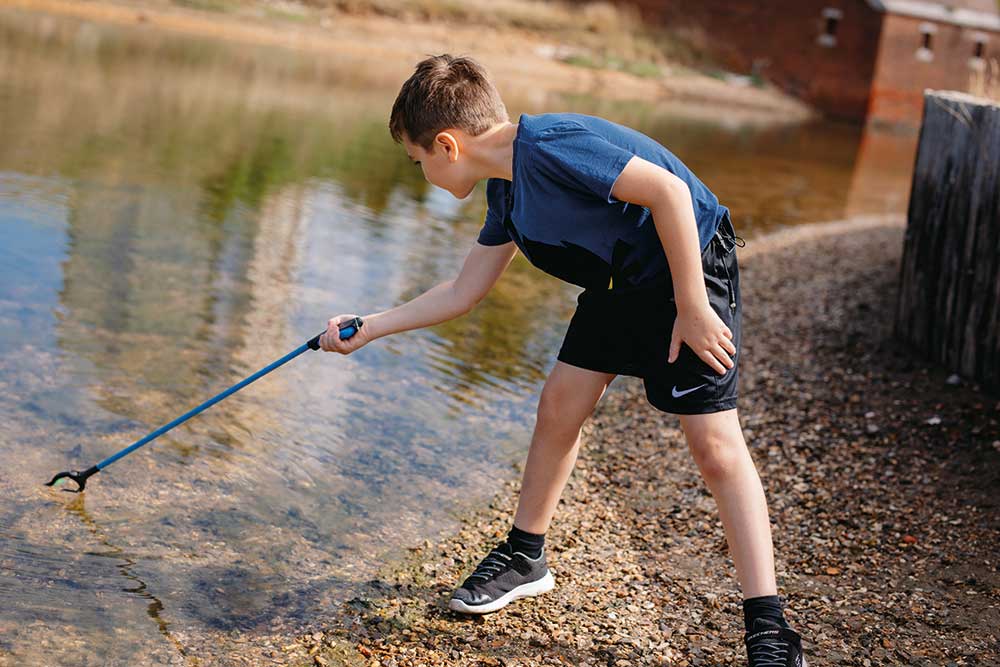
Plastic pollution isn’t just an industry specific challenge, but lost mooring buoys, a runaway fender or old fishing gear can slowly break down into microplastics that linger for decades. It’s important to remind ourselves that stewardship is a shared responsibility, and doing your bit at a beach clean or getting involved with a local organisation is a great way to have a positive impact. Here in Dorset, we’ve got great initiatives like Clean Jurassic Coast CIC who do a great job of raising awareness of the issue, but there are organisations across the UK making similar moves – you just need to find one local to you and ask what you can do to help.
Sewage
Water quality is always top of mind. If you are as frustrated as I am when I hear news of water companies discharging sewage you need to make sure you’re holding yourself to the same standards you expect from them. Skip using heads in marina basins (more times than not you’ll find facilities on-site) and use holding tanks and pump-out stations whenever possible.
Adventure sustainably
Anchoring
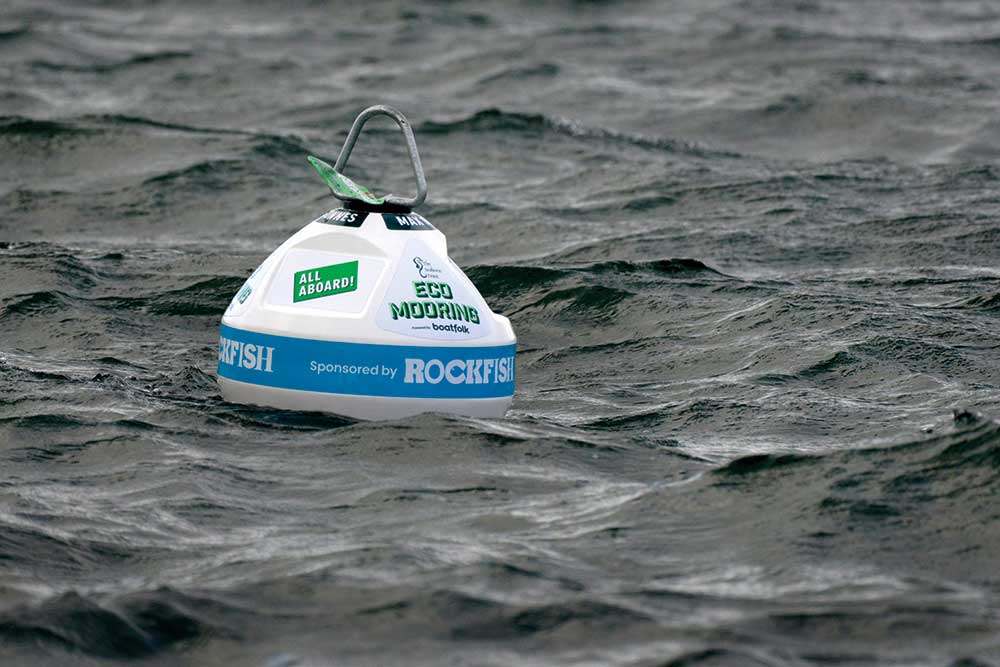
If you’re dropping anchor consider what lies beneath; so many precious habitats have been damaged by boaters and small adjustments in anchoring practice make a huge difference to fragile seabeds. For example, take Studland Bay – having been involved with the Studland Bay Marine Partnership in the installation of eco-moorings within the Marine Conservation Zone, it was clear that years of anchoring had scarred seagrass beds (home to seahorses and important carbon sinks). Although it’s easy to drop anchor out of habit, spending a bit more time thinking before you anchor and planning your trips with the seabed in mind can make a positive difference.
What’s most important to remember as we move into 2026 is that sustainable boating isn’t a checklist, it’s a mindset. Every careful choice, every constructive conversation, every act of stewardship, contributes to healthier waters.
For those looking for guidance, The Green Blue, the RYA and British Marine initiative, provides resources and pledges to help boaters take meaningful action. By taking responsibility today, we ensure the waters we love remain vibrant, alive and ready for the generations who will follow in our wake.
To find out more visit www.boatfolk.co.uk
The post How to Become a More Sustainable Boater in 2026 appeared first on All At Sea.
